
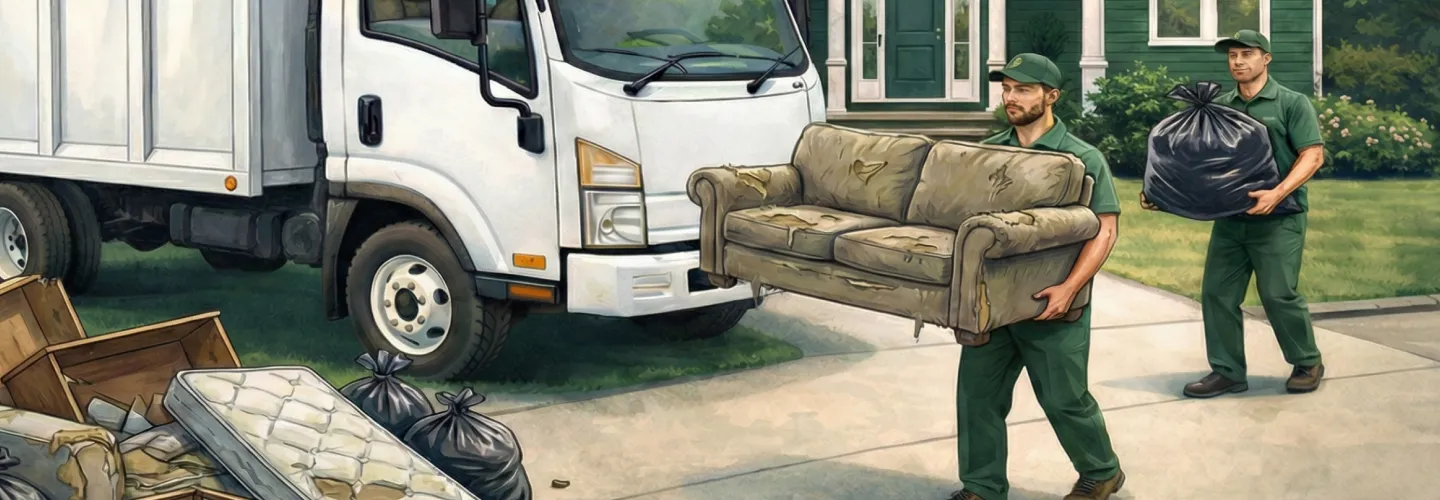
Gainesville Estate Cleanout Services
Choose us for your estate cleanout needs and experience a stress-free process handled with care, respect, and professionalism—ensuring your property is cleared quickly and responsibly so you can focus on what matters most.
Get a Free QuoteOur Gainesville Junk Removal Services
Estate Cleanout in Gainesville, GA – Local Service Guide
Estate cleanout in Gainesville, GA, requires a thoughtful approach tailored to local needs. In neighborhoods like Chattahoochee Country Club and New Holland, residents often schedule cleanouts during spring or after major life events, such as downsizing or estate transitions. Residential items—furniture, mattresses, appliances, and even hot tubs—are commonly removed when replacing old units or after storms. Many opt to donate usable goods or recycle scrap metal and electronics, while larger items like sheds or pianos may need special handling due to access or weather constraints. For residential spaces, garages and basements in areas prone to flooding, like Riverside Drive, often need attention after heavy rains or during seasonal yard waste cycles. Commercial properties in downtown Gainesville or along Jesse Jewell Parkway face unique challenges, such as discreet, after-hours cleanouts for offices or restaurants, and managing higher volumes for warehouses or construction sites. Specialty services, including dumpster rentals or hoarding situations, require careful planning and coordination, especially for foreclosures or estate transitions. For guidance on local disposal rules and schedules, visit the Gainesville Public Works Department.
Key Considerations for Estate Cleanout in Gainesville
- Timing cleanouts around local weather and seasonal events
- Securing necessary permits for large-scale disposals
- Choosing proper disposal or donation channels for various items
- Ensuring property access for removal vehicles and crews
- Estimating volume and coordinating logistics for specialty items
- Understanding category-specific requirements for residential, commercial, and specialty cleanouts
Benefits of Estate Cleanout in Gainesville
Fast and Efficient Service
Experienced Cleanout Professionals
Eco-Friendly Disposal Solutions
Flexible Scheduling Options
Transparent Upfront Pricing
Comprehensive Estate Cleanout Solutions
Coordinating Estate Cleanout with Gainesville’s Solid Waste Management Programs
Estate cleanout projects in Gainesville, GA require careful coordination with the city’s solid waste management programs to ensure compliance and efficiency. The Gainesville Public Works Department oversees bulk trash collection, transfer station access, and municipal disposal requirements. Residents must schedule bulk item pickups in advance, with limits on volume and specific preparation guidelines. Key considerations include:
- Bulk trash collection: Schedule pickups by contacting Public Works; items must be curbside by 6:00 AM on collection day
- Transfer station access: Open Monday–Saturday, 7:00 AM–5:00 PM; resident ID required
- Disposal fees: Charged by volume or weight; minimum fees may apply
- Prohibited items: Certain materials (e.g., hazardous waste) are not accepted in regular collection
- Preparation: Items must be separated by type and free of contaminants
Gainesville Public Works Department
300 Henry Ward Way SE, Gainesville, GA 30501
Phone: (770) 535-6883
Official Website: Gainesville Public Works Department
For detailed schedules and accepted materials, consult the Gainesville Public Works Department website.
Understanding Gainesville’s Code Enforcement and Permit Requirements for Estate Cleanouts
Estate cleanout activities in Gainesville may trigger specific code enforcement and permit requirements, especially when dealing with large volumes, building access, or historic properties. The Gainesville Code Enforcement Division ensures compliance with city ordinances, including:
- Right-of-way permits: Required for parking removal trucks on public streets
- Building permits: Needed for demolition or renovation debris removal
- Historic district approvals: Additional review for properties in designated areas
- Operating hours: Restrictions on noise and work times in residential zones
- Code violations: Improper disposal or unpermitted activity may result in fines
Gainesville Code Enforcement
311 Henry Ward Way SE, Gainesville, GA 30501
Phone: (770) 531-6570
Official Website: Gainesville Code Enforcement
Always verify permit needs with the Gainesville Code Enforcement office before starting a large estate cleanout.
Environmental Compliance and Material Handling in Gainesville Estate Cleanouts
Proper material handling and environmental compliance are essential during estate cleanouts in Gainesville. Georgia’s solid waste regulations, enforced by the Georgia Environmental Protection Division (GA EPD), prohibit landfill disposal of certain materials and mandate safe handling of hazardous items. Key requirements include:
- Hazardous waste: Paints, chemicals, and batteries must be taken to designated facilities
- E-waste: Electronics recycling is encouraged; landfill disposal may be restricted
- Appliance disposal: Refrigerants must be recovered by certified technicians
- Lead/asbestos: Pre-1978 buildings may require special handling per EPA Lead-Safe Renovation Rule
- Stormwater protection: Debris must not block drains or enter waterways
Consult the GA EPD Solid Waste Program for a full list of regulated materials and compliance steps.
Recycling and Donation Options for Estate Cleanout Materials in Gainesville
Gainesville encourages recycling and donation of reusable items during estate cleanouts to reduce landfill waste. The city and local organizations offer several options:
- City recycling center: Accepts electronics, metals, and select household items
- Donation centers: Furniture, clothing, and appliances may be donated to local charities
- Mattress and appliance recycling: Check for special drop-off events or programs
- Scrap metal recovery: Separate metals for recycling at approved facilities
- Landfill diversion: Prioritize reuse and recycling to meet city diversion goals
For a list of local recycling and donation locations, visit the Gainesville Public Works Department or contact local charities for accepted items and hours.
What Neighborhoods Do We Serve Throughout Gainesville, GA?
- Downtown Gainesville: Features a mix of historic buildings and multi-story properties. Estate cleanouts here often require coordination with building management for elevator access and may involve special permits for work in the historic district.
- Riverside: Predominantly single-family homes with larger lots. Access is generally straightforward, but older homes may contain materials like lead paint or asbestos, requiring specialized handling.
- New Holland: Known for its compact streets and older multi-family residences. Narrow access points and limited parking can present logistical challenges for removal trucks.
- Mundy Mill: A newer development with modern homes and wide driveways. Estate cleanouts here benefit from easy truck access and fewer hazardous material concerns.
- Chicopee: Contains a mix of residential and light industrial properties. Estate cleanouts may involve both household and commercial waste, with attention to proper material separation.
- Longstreet Hills: Characterized by mature landscaping and established homes. Careful planning is needed to protect driveways and landscaping during removal activities.
- Gainesville Mill Village: Historic mill homes with tight alleyways and limited curb space. Advance scheduling and smaller vehicles may be necessary for efficient service.