
Gainesville Regular Trash Pickup Services
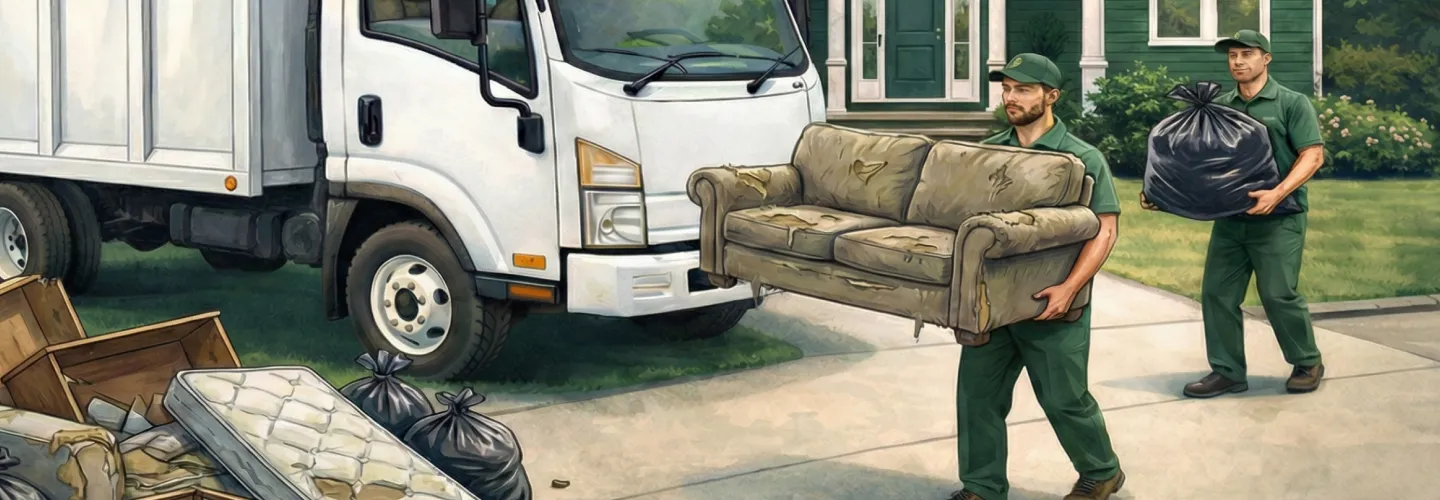
Choose our Regular Trash Pickup for dependable, on-time service that keeps your home clean and your neighborhood looking its best—enjoy hassle-free waste removal from a team you can trust.
Get a Free QuoteOur Gainesville Junk Removal Services
Regular Trash Pickup in Gainesville, GA – Local Service Guide
Regular trash pickup in Gainesville, GA is essential for maintaining clean neighborhoods like Riverside Drive and New Holland. For residential items such as furniture, mattresses, and appliances, pickups often coincide with spring cleanouts, home renovations, or after major storms. Residents in areas with dense tree coverage or near Lake Lanier may require more frequent yard waste removal, especially during fall leaf drop or after heavy rains. Options for disposal include donation, recycling, or city-approved disposal, with logistics influenced by item size, weather, and property access. Commercial clients in downtown Gainesville or along Jesse Jewell Parkway face unique needs—restaurants and offices require discreet, timely pickups to manage higher volumes and maintain operations. Specialty services, such as dumpster rentals or estate cleanouts, are often scheduled during property transitions or construction projects, requiring careful coordination and adherence to local guidelines. For more on local rules and resources, visit the Gainesville Public Works Department.
Key Considerations for Regular Trash Pickup in Gainesville
- Timing pickups around seasonal cleanouts and weather events
- Securing necessary permits for large or specialty items
- Using approved disposal and recycling channels
- Ensuring clear access for collection vehicles
- Managing volume and frequency based on property type
- Coordinating with city schedules and category-specific requirements
Benefits of Regular Trash Pickup in Gainesville
Consistent Waste Removal
Improved Neighborhood Cleanliness
Flexible Pickup Scheduling
Eco-Friendly Disposal Practices
Reliable Local Service
Enhanced Property Value
Coordinating Regular Trash Pickup Schedules with Gainesville's Public Works Department
Gainesville residents must adhere to designated collection schedules established by the city's sanitation division. The Gainesville Public Works Department oversees curbside trash collection for residential properties within city limits. Residents should observe the following guidelines for regular pickup compliance:
- Cart placement: Roll carts must be placed at the curb by 6:00 AM on the scheduled collection day with handles facing the residence
- Cart retrieval: Containers should be removed from the curb within 12 hours after collection
- Lid closure: All waste must fit inside the cart with the lid fully closed; overflow items may not be collected
- Cart positioning: Place carts at least 3 feet from mailboxes, vehicles, utility poles, and other obstructions
- Holiday delays: Collection schedules shift by one day following observed city holidays; residents should monitor city announcements
Residents who miss their scheduled pickup or need to report a service issue should contact Public Works directly for resolution.
Gainesville Public Works Department
750 Jesse Jewell Parkway SE, Gainesville, GA 30501
Phone: (770) 535-6883
Official Website: Gainesville Public Works Department
Prohibited Materials and Hazardous Waste Restrictions for Gainesville Curbside Collection
Not all materials qualify for regular curbside trash pickup in Gainesville. Georgia's solid waste regulations, administered by the Georgia Environmental Protection Division, establish strict prohibitions on certain waste types entering the municipal waste stream. The following items are prohibited from regular trash carts:
- Hazardous chemicals: Paints, solvents, pesticides, motor oil, and antifreeze require separate disposal through Hall County household hazardous waste collection events
- Electronics: Televisions, computer monitors, and other e-waste should be directed to designated recycling drop-off locations rather than curbside bins
- Appliances with refrigerants: Refrigerators, air conditioners, and freezers require certified refrigerant recovery per EPA Section 608 regulations before disposal
- Tires: Banned from standard landfill disposal in Georgia; tire retailers and recycling facilities accept used tires
- Medical waste: Sharps, pharmaceuticals, and biohazardous materials must follow Georgia Department of Public Health disposal protocols
- Construction debris: Lumber, drywall, roofing materials, and concrete are not accepted in residential carts
Violations of prohibited material restrictions may result in refused collection and potential code enforcement action.
Gainesville Code Enforcement Standards for Proper Waste Container Maintenance
The City of Gainesville enforces property maintenance standards that directly affect how residents manage trash and waste containers between collection days. Gainesville Code Enforcement investigates complaints related to improper waste storage, overflowing containers, and debris accumulation on residential and commercial properties. Key compliance requirements include:
- Storage location: Trash carts must be stored behind the front building line or screened from public view when not placed for collection
- Overflow prevention: Loose trash, bags placed beside carts, and scattered debris on the property may trigger code violations
- Animal-proofing: Lids must remain secured to prevent wildlife from scattering waste; damaged carts should be reported for replacement
- Yard waste separation: Grass clippings, leaves, and brush must be separated from household trash and placed according to the city's yard debris collection guidelines
- Bulk items: Large items such as furniture and appliances require separate scheduling and cannot be left curbside outside of designated pickup windows
Gainesville Code Enforcement
750 Jesse Jewell Parkway SE, Gainesville, GA 30501
Phone: (770) 535-6883
Official Website: Gainesville Code Enforcement
Persistent violations may result in written notices, fines, or liens against the property. Residents should proactively address any waste storage issues to maintain neighborhood standards.
Georgia's Solid Waste Management Act and Its Impact on Gainesville Trash Disposal
Georgia's Comprehensive Solid Waste Management Act (O.C.G.A. § 12-8-20) establishes the regulatory framework governing how municipalities like Gainesville manage residential waste collection and disposal. The Act requires all Georgia counties and cities to maintain approved solid waste management plans and meet specific waste reduction goals. Key state-level requirements affecting Gainesville residents include:
- Waste reduction mandate: Georgia encourages a 25% waste reduction goal through recycling, composting, and source reduction programs
- Landfill permitting: All disposal facilities serving Gainesville must hold valid permits from the Georgia Environmental Protection Division
- Illegal dumping penalties: Unauthorized disposal of waste on public or private property carries fines ranging from $1,000 to $25,000 per violation under Georgia law
- Tire disposal: Scrap tires are regulated separately and must be processed through licensed tire carriers and disposal facilities
- Yard trimmings ban: Georgia prohibits yard trimmings from being disposed of in municipal solid waste landfills, requiring composting or separate processing
Gainesville's local ordinances build upon these state requirements, and residents bear responsibility for ensuring their waste disposal practices comply with both municipal and state standards.
Georgia Environmental Protection Division
2 Martin Luther King Jr. Drive SE, Suite 1456, Atlanta, GA 30334
Phone: (404) 656-4713
Official Website: Georgia Environmental Protection Division
Recycling Participation and Material Separation Requirements in Gainesville
Gainesville encourages residents to actively participate in curbside recycling to support Georgia's waste reduction objectives and extend the operational lifespan of regional landfills. Proper material separation is essential for maintaining the integrity of recyclable streams and avoiding contamination that can render entire loads non-recyclable. Residents should follow these sorting guidelines for recycling carts:
- Accepted materials: Cardboard, paper, aluminum cans, steel cans, and plastic bottles (types #1 and #2) are generally accepted in curbside recycling
- Contamination prevention: Food-soiled containers, plastic bags, and Styrofoam must be kept out of recycling carts as they contaminate processing equipment
- Flattening cardboard: Break down boxes to maximize cart space and improve collection efficiency
- No tanglers: Garden hoses, chains, wires, and clothing should not be placed in recycling; these items jam sorting machinery at processing facilities
- Glass and electronics: Verify current acceptance with Gainesville Public Works, as these materials may require separate drop-off
Stormwater protection is also a consideration; the Gainesville Water Resources department monitors pollution prevention efforts, and improperly discarded waste that enters storm drains can result in environmental violations.
What Neighborhoods Do We Serve Throughout Gainesville, GA?
- Downtown Gainesville: The historic commercial core features a mix of older multi-story buildings and renovated storefronts. Narrow one-way streets and on-street parking can affect collection vehicle access, and businesses must coordinate commercial waste hauling separately from residential service.
- Midland Avenue Area: This established residential neighborhood contains single-family homes dating to the mid-twentieth century. Mature tree canopy along streets may occasionally interfere with cart placement near the curb.
- Riverside/Lake Lanier Corridor: Properties near Lake Lanier often feature longer driveways and varied terrain. Residents in these areas should ensure carts are placed at the street-accessible end of driveways for reliable collection.
- New Holland: A historically significant neighborhood with a mix of single-family and multi-family housing. Higher-density housing requires careful cart placement to avoid blocking sidewalks and neighboring properties.
- Limestone Parkway Corridor: Rapid residential and commercial growth along this corridor includes newer subdivisions with HOA guidelines that may dictate cart storage locations and placement timing.
- Smithgall Woodland Area: Wooded lots and sloped terrain characterize this area. Residents should clear brush from cart placement zones and ensure collection vehicles have adequate turnaround space on cul-de-sacs.