
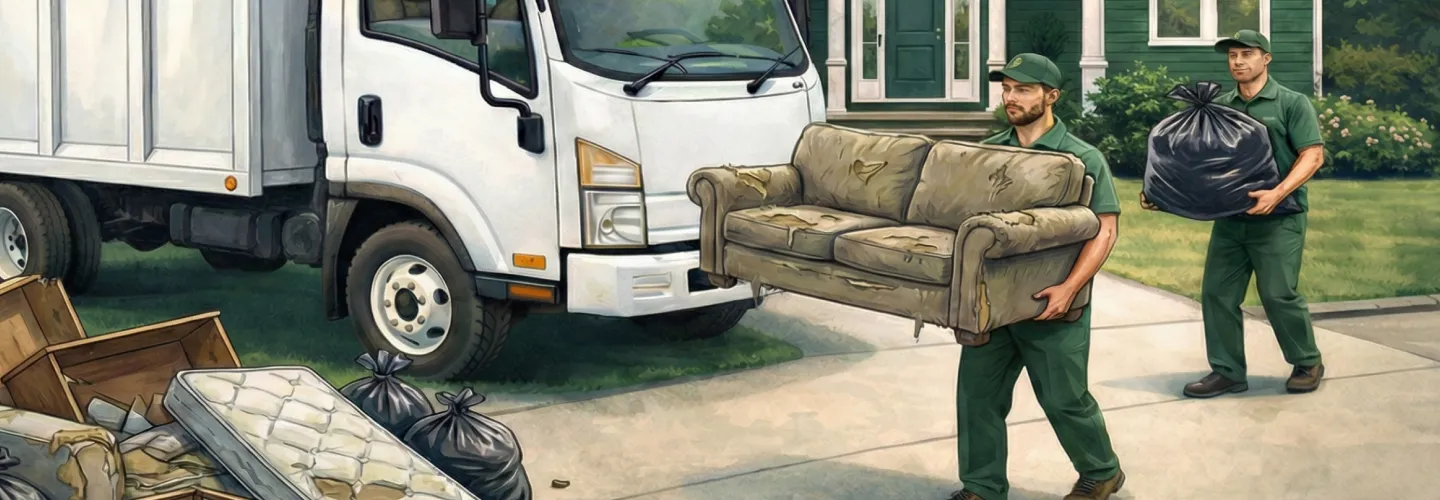
Gainesville Construction Debris Removal Services
Choose our Construction Debris Removal for fast, reliable service that keeps your site safe, organized, and ready for the next phase—saving you time and hassle.
Get a Free QuoteOur Gainesville Junk Removal Services
Construction Debris Removal in Gainesville, GA – Local Service Guide
Construction debris removal in Gainesville, GA is essential for keeping homes, businesses, and neighborhoods clean and safe. In residential areas like Chattahoochee Estates and New Holland, debris often accumulates during home renovations, appliance upgrades, or seasonal cleanouts. Residents may need to dispose of old furniture, mattresses, or scrap metal after spring cleaning or storm damage, with options to donate, recycle, or schedule city-approved pickups. For spaces such as garages, basements, or yards, local flooding or heavy tree coverage can increase the need for timely debris removal, especially after summer storms or during fall leaf cycles.
Commercial properties in downtown Gainesville and along Browns Bridge Road face unique challenges, from frequent office remodels to restaurant upgrades, requiring discreet, scheduled pickups to minimize business disruption. Specialty services—like dumpster rentals for construction sites, estate cleanouts, or foreclosure properties—demand careful planning and coordination, especially in historic districts or areas with limited access. For guidance on local disposal rules and resources, visit the Gainesville Public Works Department.
Benefits of Construction Debris Removal in Gainesville
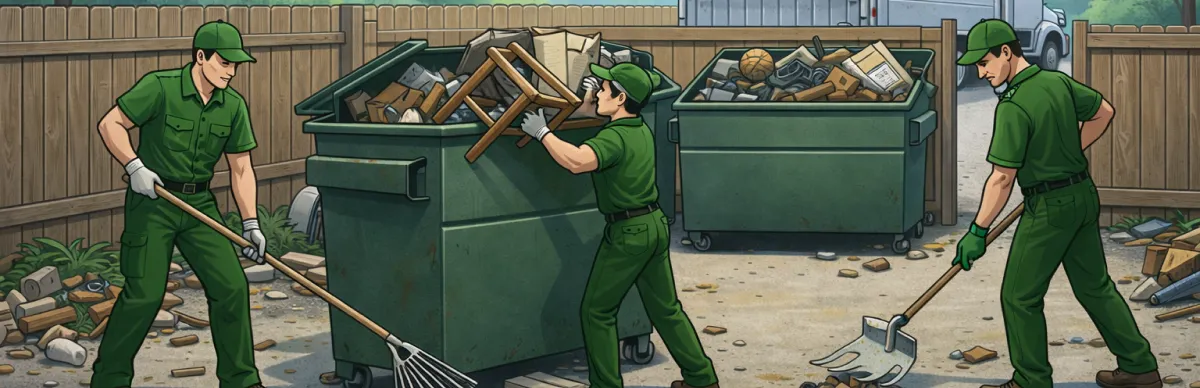
Fast and Reliable Cleanup
Safe Job Site Practices
Eco-Friendly Disposal Solutions
Cost-Effective Debris Removal
Experienced Local Professionals
Flexible Scheduling Options
Coordinating Construction Debris Disposal with Gainesville's Public Works Department
Construction and demolition (C&D) debris generated from renovation, remodeling, or demolition projects in Gainesville must be managed in accordance with municipal solid waste regulations. The Gainesville Public Works Department oversees sanitation services and infrastructure maintenance, including guidance on proper debris disposal channels. Residents and contractors should be aware of the following requirements when handling construction waste:
- Prohibited curbside disposal: Construction debris such as lumber, drywall, roofing materials, concrete, and brick is generally not accepted through regular residential trash collection
- Hauler responsibility: Contractors generating C&D waste are typically required to arrange private hauling to an approved disposal or recycling facility
- Separation requirements: Mixed loads containing hazardous materials such as lead paint, asbestos-containing materials, or chemical solvents must be separated before transport
- Scheduling coordination: Large-scale debris removal projects may require advance coordination with city departments to address street access and traffic considerations
Gainesville Public Works Department
P.O. Box 2496, Gainesville, GA 30503
Phone: (770) 535-6883
Official Website: Gainesville Public Works Department
Georgia's Solid Waste Management Act and Construction Debris Compliance
Georgia regulates construction and demolition waste under the Georgia Comprehensive Solid Waste Management Act (O.C.G.A. § 12-8-20), which establishes standards for the collection, transportation, and disposal of solid waste statewide. The Georgia Environmental Protection Division (GA EPD) administers permitting for landfills and transfer stations that accept C&D materials. Key state-level requirements affecting Gainesville construction projects include:
- Permitted facility disposal: All construction debris must be transported to facilities holding valid solid waste handling permits issued by GA EPD
- Inert waste landfills: Clean concrete, brick, block, and asphalt may qualify for disposal at inert waste landfills, which operate under separate permitting standards
- Manifest and tracking: Commercial haulers transporting C&D waste must maintain proper documentation of waste origin, volume, and destination facility
- Illegal dumping penalties: Unauthorized disposal of construction debris on vacant lots, roadsides, or waterways carries civil and criminal penalties under Georgia law
- Asbestos notification: Demolition or renovation projects involving asbestos-containing materials require notification to GA EPD at least 10 working days prior to commencement, per federal NESHAP regulations
Georgia Environmental Protection Division
2 Martin Luther King Jr. Drive SE, Suite 1456, Atlanta, GA 30334
Phone: (404) 656-4713
Official Website: Georgia Environmental Protection Division
Building Permits and Code Enforcement for Gainesville Demolition Projects
Renovation and demolition activities that generate construction debris in Gainesville require proper permitting through the city's regulatory framework. The Gainesville Code Enforcement division investigates property violations and ensures compliance with municipal codes governing debris management on construction sites. The Gainesville Zoning Department provides additional guidance on land use regulations that may affect project scope. Property owners and contractors should address the following before beginning work:
- Building permits: Demolition and major renovation projects require permits; debris management plans may be requested as part of the application
- Site maintenance: Active construction sites must keep debris contained and prevent materials from migrating onto adjacent properties or public rights-of-way
- Code violations: Accumulation of construction debris beyond permitted timeframes may trigger enforcement action, including fines
- Stormwater protection: Construction sites must implement erosion and sediment controls to prevent debris and sediment from entering storm drains, as regulated by the Gainesville Water Resources department
Gainesville Code Enforcement
P.O. Box 2496, Gainesville, GA 30503
Phone: (770) 535-6883
Official Website: Gainesville Code Enforcement
Material Sorting and Recycling Requirements for Gainesville Construction Waste
Proper sorting and separation of construction debris supports landfill diversion goals and ensures compliance with Georgia's solid waste regulations. Many C&D materials are recyclable or reusable when separated at the job site, reducing disposal costs and environmental impact. Gainesville contractors and property owners should implement the following material management practices:
- Concrete, brick, and masonry: These inert materials can often be crushed and recycled as aggregate for road base or fill material at approved facilities
- Scrap metal: Steel beams, copper wiring, aluminum flashing, and other metals should be separated for recycling at scrap metal facilities, which typically accept materials at no charge or offer payment by weight
- Clean wood: Untreated lumber and wood framing may be accepted at wood recycling or mulching facilities; treated or painted wood requires separate disposal due to chemical content
- Roofing shingles: Asphalt shingles are recyclable at specialized facilities that process them into road paving material
- Drywall and gypsum: Some facilities accept clean drywall for recycling; contaminated or painted drywall may require standard landfill disposal
- Hazardous materials: Lead-based paint, asbestos, and chemical solvents must be handled by licensed abatement professionals in accordance with EPA's Lead Renovation, Repair, and Painting Rule for pre-1978 structures
Safety and Hazardous Material Handling on Gainesville Construction Sites
Construction debris removal presents significant safety hazards that require adherence to federal and state occupational safety standards. Projects involving older structures in Gainesville—particularly those built before 1978—may contain lead-based paint or asbestos-containing materials that demand specialized handling. The Gainesville Fire Department may also be consulted regarding fire safety protocols during demolition activities. Essential safety considerations include:
- Asbestos surveys: Structures built before 1980 should undergo professional asbestos inspection before demolition or renovation; friable asbestos requires licensed abatement contractors
- Lead-safe work practices: The EPA RRP Rule mandates that firms performing renovation in pre-1978 housing be EPA-certified and use lead-safe work practices
- OSHA compliance: Workers handling construction debris must follow OSHA standards for personal protective equipment, fall protection, and heavy material handling
- Dust and particulate control: Demolition activities must include dust suppression measures to protect workers and neighboring properties
- Proper loading: Debris trucks must be covered during transport to prevent materials from falling onto roadways, as required by Georgia law
Gainesville Fire Department
P.O. Box 2496, Gainesville, GA 30503
Phone: (770) 535-6881
Official Website: Gainesville Fire Department
What Neighborhoods Do We Serve Throughout Gainesville, GA?
- Downtown Gainesville: Historic commercial buildings and older mixed-use structures frequently require renovation debris removal. Narrow one-way streets and on-street parking may limit truck access; coordination with city departments for temporary loading zones is advisable.
- Green Street Historic District: Homes in this area often date to the early 20th century, increasing the likelihood of encountering lead paint and asbestos during renovation. Historic preservation guidelines may impose additional requirements on demolition scope and debris handling.
- Midland Avenue Area: A mix of residential and light commercial properties undergoing redevelopment generates varied construction waste streams. Access is generally straightforward, though coordination with adjacent property owners may be necessary for larger projects.
- Riverside/Lake Lanier Corridor: Waterfront properties require heightened attention to stormwater and erosion controls during construction debris removal to protect water quality in Lake Lanier and its tributaries.
- New Holland and Industrial Boulevard: Commercial and industrial zones with active construction and renovation projects produce high volumes of C&D debris including concrete, steel, and roofing materials. Wider roadways and loading dock access facilitate debris hauling operations.
- Limestone Parkway and Thompson Bridge Road Corridor: Rapidly developing commercial areas with new construction and tenant build-outs generate significant debris volumes. Proximity to major transportation routes provides efficient access to regional disposal and recycling facilities.