
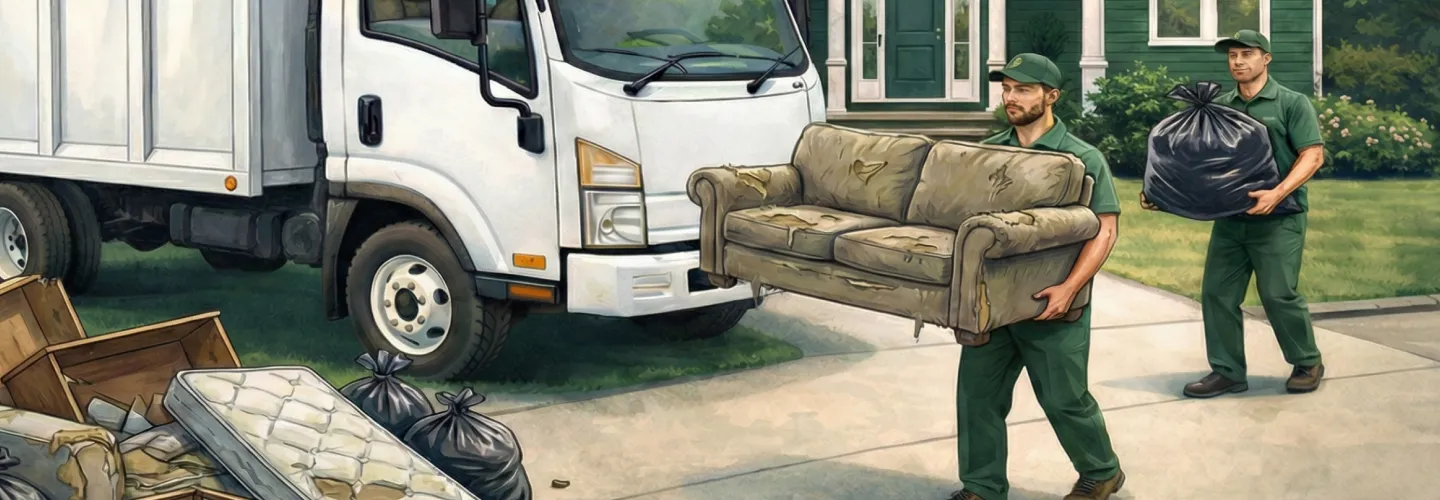
Gainesville Basement & Attic Cleaning Services
Choose our expert basement and attic cleaning for a healthier, clutter-free home—our team removes dust, debris, and allergens so you can enjoy every inch of your space with peace of mind.
Get a Free QuoteOur Gainesville Junk Removal Services
Basement & Attic Cleaning in Gainesville, GA – Local Service Guide
Basement and attic cleaning in Gainesville, GA is essential for maintaining healthy, functional homes and businesses. In neighborhoods like Riverside Drive and New Holland, seasonal cleanouts often coincide with spring storms or fall decluttering, while life events such as moving or renovations prompt residents to address accumulated items. For residential items—like old furniture, appliances, or electronics—timing is often driven by upgrades or replacements, with local options for donation, recycling, or responsible disposal. Access can be challenging in older homes with narrow staircases or during wet weather, especially in flood-prone areas near Lake Lanier. Commercial properties in downtown Gainesville or along Jesse Jewell Parkway require discreet, timely cleanouts to minimize business disruption, often dealing with higher volumes and strict operational windows. Specialty services, such as estate or foreclosure cleanouts, demand careful coordination and adherence to local property codes. For all categories, understanding Gainesville’s disposal schedules and regulations is key—refer to the Gainesville Public Works Department for official guidance on sanitation and bulk waste removal.
Key Considerations for Basement & Attic Cleaning in Gainesville
- Seasonal timing: spring storms, fall decluttering, or post-flooding
- Access challenges: narrow stairs, limited parking, weather impacts
- Disposal channels: donation, recycling, city bulk pickup
- Volume and item type: large furniture, appliances, specialty debris
- Coordination: scheduling with city services, permits for large hauls
- Local rules: follow Gainesville’s official guidelines for waste and sanitation
Benefits of Basement & Attic Cleaning in Gainesville
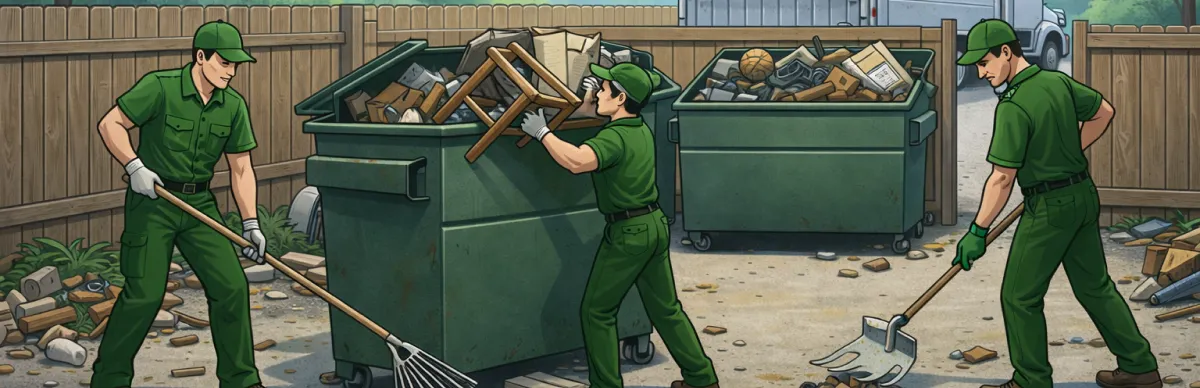
Improved Indoor Air Quality
Enhanced Home Safety
Prevention of Mold and Mildew
Increased Storage Space
Pest and Rodent Control
Boosted Property Value
Coordinating Basement and Attic Cleanout Debris with Gainesville's Public Works Sanitation Services
Basement and attic cleaning projects in Gainesville often generate substantial volumes of accumulated household items, old furniture, broken appliances, and miscellaneous debris requiring proper municipal disposal coordination. The Gainesville Public Works Department oversees sanitation services including bulk waste collection and curbside pickup scheduling for residential properties. Residents undertaking large-scale cleanouts should be aware of the following requirements:
- Bulk item scheduling must be arranged in advance through the Public Works Department to confirm pickup dates and item eligibility
- Curbside placement of debris should not obstruct sidewalks, fire hydrants, or stormwater drainage infrastructure
- Separated materials — recyclables, electronics, and hazardous items must be sorted and handled through appropriate channels rather than placed with general bulk waste
- Volume limitations may apply to single-day residential pickups; larger cleanout projects may require multiple scheduled collections or direct hauling to an approved facility
Gainesville Public Works Department
P.O. Box 2496, Gainesville, GA 30503
Phone: (770) 535-6883
Official Website: Gainesville Public Works Department
Residents should contact Public Works before beginning a basement or attic cleanout to confirm current collection schedules and any seasonal restrictions that may affect pickup availability.
Georgia's Solid Waste Management Act and Disposal Compliance for Cleanout Projects
Basement and attic cleaning projects in Gainesville must comply with the Georgia Comprehensive Solid Waste Management Act (O.C.G.A. § 12-8-20) administered by the Georgia Environmental Protection Division (GA EPD). This state law establishes the regulatory framework governing how residential waste, including materials removed during cleanouts, must be handled, transported, and disposed of. Key compliance considerations include:
- Illegal dumping prohibition — disposing of cleanout debris on vacant lots, roadsides, or waterways violates state law and carries penalties ranging from fines to criminal charges
- Transporter requirements — commercial haulers removing basement or attic debris must hold appropriate solid waste handling permits issued by GA EPD
- Landfill acceptance standards — materials must be delivered to permitted solid waste facilities; unauthorized disposal sites are prohibited
- Hazardous material exclusions — paints, solvents, pesticides, and chemical products commonly found in basements and attics cannot be disposed of through standard solid waste channels
- Record-keeping — commercial cleanout services should maintain manifests documenting waste quantities and disposal destinations
Property owners bear responsibility for ensuring all materials removed from their basements and attics reach properly permitted disposal or recycling facilities, regardless of whether they hire a service provider or self-haul debris.
Hazardous Materials Commonly Found During Gainesville Basement and Attic Cleanouts
Basements and attics in Gainesville homes — particularly those built before 1980 — frequently contain hazardous materials requiring specialized handling procedures. The EPA Renovation, Repair, and Painting Rule mandates lead-safe work practices in pre-1978 structures, which directly applies when disturbing painted surfaces during cleanout activities. Common hazardous items encountered include:
- Lead-based paint on stored furniture, window frames, and trim pieces from older construction
- Asbestos-containing materials in pipe insulation, floor tiles, and vermiculite attic insulation (requires licensed abatement if friable)
- Old paint cans and solvents — must be disposed of through Hall County's Household Hazardous Waste collection events rather than regular trash
- Pesticides and herbicides — chemical products stored in basements degrade over time and require hazardous waste disposal
- Mercury thermostats and fluorescent bulbs — contain mercury and are prohibited from landfill disposal under Georgia regulations
Gainesville Fire Department
315 Green Street SE, Gainesville, GA 30501
Phone: (770) 531-6880
Official Website: Gainesville Fire Department
Contact the Fire Department for guidance on emergency hazardous material situations. For routine hazardous waste disposal, residents should contact Hall County's environmental services for scheduled collection event dates and accepted materials lists.
Gainesville Code Enforcement Standards for Property Cleanout and Debris Removal
The Gainesville Code Enforcement Division plays a critical role in ensuring that basement and attic cleaning projects do not create property maintenance violations or neighborhood nuisance conditions. During and after cleanout projects, property owners must adhere to the following municipal standards:
- Debris staging — materials awaiting pickup must be contained on the property and not encroach on public rights-of-way, neighboring parcels, or stormwater drainage areas
- Time limitations — staged debris should not remain on the property for extended periods; prolonged accumulation may trigger code enforcement action
- Pest prevention — improperly stored cleanout materials can attract rodents and insects, creating health code violations
- Structural concerns — if cleanout activities reveal structural damage, water intrusion, or mold conditions, the Gainesville Zoning Department and building officials should be consulted regarding required permits for remediation work
- Stormwater protection — debris must not block drainage pathways or introduce pollutants into the city's stormwater system
Gainesville Code Enforcement Division
300 Green Street SE, Gainesville, GA 30501
Phone: (770) 531-6800
Official Website: Gainesville Code Enforcement
Property owners who anticipate large-volume cleanouts should proactively contact Code Enforcement to understand staging requirements and avoid potential violations during the project timeline.
Recycling and Donation Diversion Options for Basement and Attic Items in Gainesville
Gainesville residents conducting basement and attic cleanouts are encouraged to maximize material diversion from landfills through recycling and donation programs. The Georgia Environmental Protection Division supports statewide waste reduction goals, and several local options exist for responsibly redirecting reusable items:
- Furniture and household goods in usable condition may be donated to local charitable organizations such as Habitat for Humanity ReStore or Goodwill locations serving the Hall County area
- Electronics and e-waste — computers, televisions, and peripherals should be taken to designated electronics recycling drop-off points rather than placed in regular waste streams
- Scrap metal — old appliances, metal shelving, and hardware removed from basements and attics can be directed to local scrap metal recyclers for material recovery
- Textiles and clothing — fabric items stored in attics may be donated or placed in textile recycling collection bins
- Cardboard and paper — boxes and paper goods should be broken down and placed in curbside recycling containers
Sorting materials before disposal reduces landfill burden and may lower overall cleanout costs. Items containing refrigerants require recovery by EPA Section 608-certified technicians before disposal, including old window air conditioning units and dehumidifiers commonly stored in basements.
What Neighborhoods Do We Serve Throughout Gainesville, GA?
- Downtown Gainesville Historic District: Older commercial and residential structures often feature narrow stairwells and limited exterior access points. Pre-1950s buildings may contain lead paint and asbestos insulation requiring professional assessment before cleanout work begins.
- Green Street Corridor: A mix of historic homes and renovated properties with varying basement configurations. Street parking limitations may require advance coordination for loading vehicles during large-scale attic or basement debris removal.
- Riverside/Lake Lanier Area: Lakefront and near-lake properties frequently have walk-out basements with moisture-related storage damage. Mold assessment may be necessary before disturbing stored materials in these humid lower-level spaces.
- Limestone Parkway Corridor: Newer suburban developments with attached garages and unfinished basements. Wider driveways and cul-de-sac layouts generally provide adequate vehicle access for cleanout operations.
- Enota Area: Established residential neighborhood with mid-century homes featuring pull-down attic stairs and limited headroom. Heavy items stored in attics require careful navigation through narrow access openings.
- Midland Avenue District: Mixed residential and light commercial properties with older construction. Basement access may be limited to exterior bulkhead doors, requiring equipment staging in yards or driveways adjacent to the access point.