
Gainesville Shed Removal Services
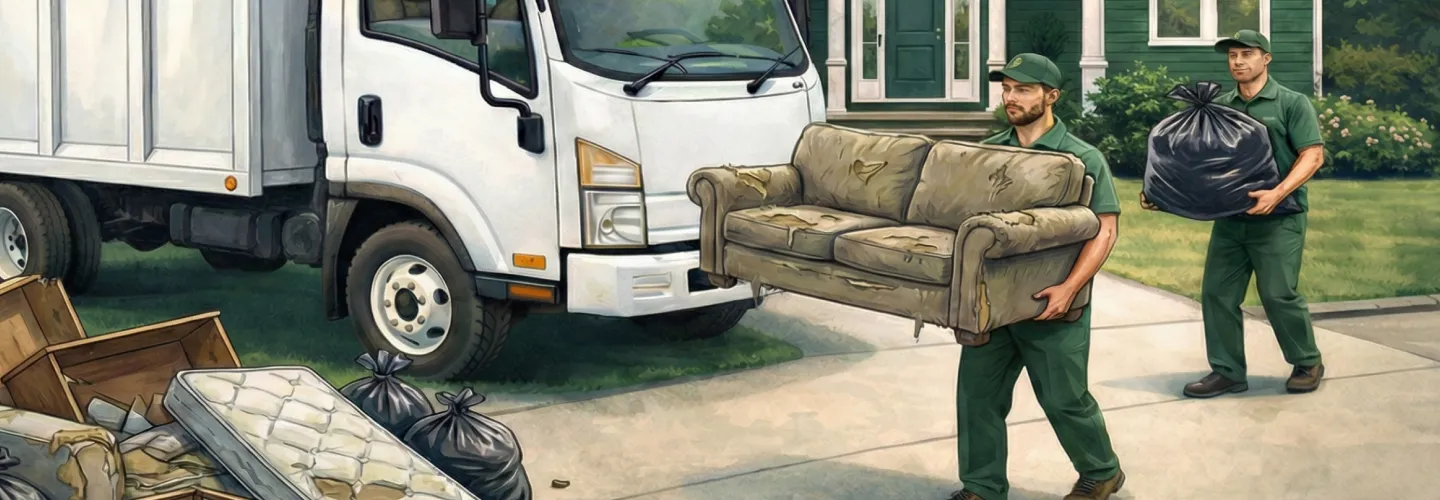
Choose our shed removal experts for safe, efficient, and eco-friendly service—saving you time, effort, and the headache of heavy lifting or disposal.
Get a Free QuoteOur Gainesville Junk Removal Services
Shed Removal in Gainesville, GA – Local Service Guide
Shed removal in Gainesville, GA is a common need for homeowners looking to reclaim yard space, prepare for new construction, or address aging outbuildings. In neighborhoods like Riverside Drive and New Holland, residents often schedule shed removal during spring cleanouts or after severe weather events that damage structures. Many sheds in Gainesville are used for storage of lawn equipment or seasonal items, and when these become obsolete or unsafe, prompt removal is essential. Local disposal options include recycling metal components or donating usable materials, but most sheds require professional dismantling due to their size and construction. Access can be a challenge in properties with limited driveway space or dense tree coverage, especially in older areas like Green Street. Weather conditions, such as summer storms or winter rains, can also impact scheduling and logistics. For guidance on local disposal rules and resources, consult the Gainesville Public Works Department.
Key Considerations for Shed Removal in Gainesville
- Timing: Best scheduled during dry months or after major storms
- Permits: Check city requirements for demolition or large debris removal
- Disposal Channels: Options include recycling, donation, or landfill
- Access: Narrow lots and mature trees may complicate removal
- Volume: Larger sheds require more labor and equipment
- Coordination: Plan with professionals for safe, efficient service
Benefits of Shed Removal in Gainesville
Fast Shed Removal Services
Eco-Friendly Disposal Solutions
Licensed and Insured Team
Transparent Upfront Pricing
Flexible Scheduling Options
Safe and Hassle-Free Process
Coordinating Shed Demolition Debris Disposal with Gainesville's Public Works Department
Shed removal in Gainesville generates significant volumes of construction and demolition debris, including wood framing, roofing materials, metal fasteners, and concrete foundations. The Gainesville Public Works Department oversees sanitation services and can provide guidance on proper disposal channels for demolition waste. Residents should be aware of the following requirements before initiating a shed removal project:
- Material separation is strongly encouraged — wood, metal, shingles, and concrete should be sorted at the project site when feasible
- Bulk debris generated from shed demolition typically exceeds standard curbside collection limits and must be hauled to an approved disposal facility
- Scheduling considerations — coordinate with Public Works to confirm accepted materials and any seasonal restrictions on debris hauling
- Commercial haulers removing shed debris within city limits should verify licensing requirements with the city
Gainesville Public Works Department
300 Henry Ward Way, Gainesville, GA 30501
Phone: (770) 535-6883
Official Website: Gainesville Public Works Department
Gainesville Permit and Code Enforcement Requirements for Shed Demolition Projects
Before dismantling a shed on any Gainesville property, residents and contractors must determine whether demolition permits or code enforcement clearances are required. The Gainesville Code Enforcement division investigates property violations and supports neighborhood preservation, making it a key point of contact for shed removal projects. The Gainesville Zoning Department can confirm whether the structure falls under specific land use regulations. Key compliance steps include:
- Demolition permits may be required depending on the shed's size, foundation type, and proximity to property lines or utility easements
- Utility disconnection — sheds with electrical wiring, plumbing, or gas connections must have utilities properly disconnected before demolition begins
- Asbestos surveys — sheds built before 1980 may contain asbestos in roofing, siding, or insulation materials; a licensed inspector should assess the structure prior to demolition
- Property line verification — confirm the shed is entirely within your property boundaries before removal to avoid encroachment disputes
Gainesville Code Enforcement
300 Henry Ward Way, Gainesville, GA 30501
Phone: (770) 535-6880
Official Website: Gainesville Code Enforcement
Georgia Environmental Protection Division Regulations for Construction Debris Disposal
Shed removal debris falls under construction and demolition (C&D) waste classifications governed by the Georgia Environmental Protection Division (GA EPD). Georgia's Solid Waste Management Act establishes standards for how C&D materials must be handled, transported, and disposed of at permitted facilities. Residents and contractors in Gainesville should understand the following state-level requirements:
- C&D landfills — shed demolition debris must be taken to facilities permitted to accept construction and demolition waste; standard municipal solid waste landfills may not accept all C&D materials
- Hazardous materials prohibition — treated lumber (CCA-treated wood), lead-based paint debris, and asbestos-containing materials are prohibited from C&D landfills and require specialized disposal
- Tire disposal — old tires found in or around sheds are banned from Georgia landfills and must be taken to licensed tire recycling facilities
- Appliance and e-waste items stored in sheds must be separated and disposed of through appropriate recycling channels, not mixed with demolition debris
- Illegal dumping penalties — disposing of shed debris on vacant lots, roadsides, or waterways violates Georgia law and carries significant fines
Recycling and Material Recovery Options for Shed Removal Debris in Gainesville
Maximizing material recovery during shed removal reduces landfill burden and supports Gainesville's environmental stewardship goals. Many shed components — including lumber, metal roofing, hardware, and concrete — have viable recycling or reuse pathways. The Gainesville Water Resources department also emphasizes stormwater protection during demolition activities. Residents should consider the following recovery strategies:
- Scrap metal — metal roofing panels, hinges, brackets, nails, and steel framing can be taken to local scrap metal recyclers for material recovery and potential resale value
- Untreated lumber — clean, unpainted dimensional lumber may be accepted by salvage operations, Habitat for Humanity ReStores, or wood recycling facilities
- Concrete and masonry — foundation slabs, pavers, and cinder blocks can often be crushed and recycled as aggregate material at C&D recycling facilities
- Roofing shingles — asphalt shingles may be accepted at specialized recycling facilities that process them into road paving material
- Doors, windows, and hardware — reusable components in good condition can be donated to building material reuse organizations
Proper erosion and sediment control should be maintained during and after shed removal to prevent stormwater runoff contamination, particularly on sloped properties near waterways.
Safety and Hazardous Material Handling During Shed Demolition in Gainesville
Shed demolition presents multiple safety hazards that require careful planning and appropriate protective measures. Older sheds in Gainesville may contain hazardous materials that demand specialized handling procedures in compliance with federal and state regulations. The EPA Renovation, Repair, and Painting Rule applies to structures built before 1978 that may contain lead-based paint. Critical safety considerations include:
- Lead paint assessment — sheds constructed before 1978 should be tested for lead-based paint; if present, lead-safe work practices must be followed during demolition
- Asbestos-containing materials — corrugated roofing, insulation, and certain siding products may contain asbestos; Georgia requires licensed abatement contractors for friable asbestos removal
- Structural instability — deteriorated sheds may collapse during demolition; a structural assessment should precede any dismantling work
- Stored hazardous materials — paint cans, pesticides, gasoline, propane tanks, and chemical fertilizers commonly stored in sheds must be removed and disposed of through Hall County household hazardous waste collection programs before demolition begins
- Personal protective equipment — demolition workers should use hard hats, steel-toed boots, eye protection, heavy gloves, and respiratory protection when dust or hazardous materials are present
Gainesville Fire Department
300 Henry Ward Way, Gainesville, GA 30501
Phone: (770) 535-6885
Official Website: Gainesville Fire Department
What Neighborhoods Do We Serve Throughout Gainesville, GA?
- Downtown Gainesville: Historic commercial core with older accessory structures on compact lots. Narrow alley access and proximity to neighboring buildings may require careful equipment staging and debris containment during shed removal projects.
- New Holland: Established residential neighborhood with mature tree canopy and older properties. Sheds in this area may contain asbestos or lead paint due to construction era; pre-demolition hazardous material assessments are recommended.
- Limestone Parkway Corridor: Mix of newer residential subdivisions and commercial properties with wider street access. HOA covenants in planned communities may require advance approval and specific timelines for shed demolition and debris removal.
- Riverside/Lake Lanier Area: Properties near waterways require heightened stormwater and erosion control measures during shed demolition. Sediment barriers and debris containment are essential to protect water quality in compliance with local and state environmental regulations.
- Fair Street / Midland Avenue Area: Older residential neighborhood with smaller lots and limited driveway access. Equipment access for shed removal may be constrained; manual demolition and smaller hauling vehicles are often necessary.
- Wilshire Trails / Mundy Mill: Newer suburban developments with wider driveways and cul-de-sac layouts that accommodate larger removal equipment. Community association rules may govern debris staging areas and project completion timelines.