
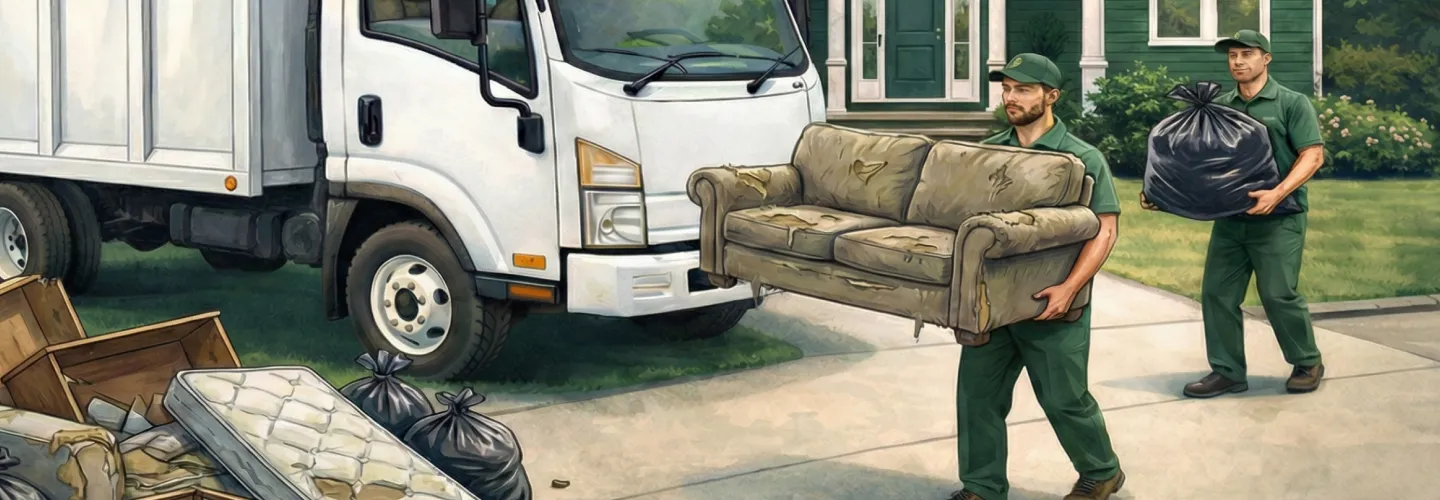
Gainesville Furniture Removal Services
Choose us for your furniture removal needs and enjoy hassle-free service, eco-friendly disposal, and a team dedicated to making your space clutter-free quickly and affordably.
Get a Free QuoteOur Gainesville Junk Removal Services
Furniture Removal in Gainesville, GA – Local Service Guide
Furniture removal in Gainesville, GA, is a year-round need for both residents and businesses, with peak demand during spring cleanouts, summer moves, and after major life events like downsizing or renovations. In neighborhoods like Longstreet Hills and New Holland, residents often schedule removal for old sofas, mattresses, or appliances when upgrading or after seasonal storms. Options include donating usable items, recycling electronics and scrap metal, or arranging for city-approved disposal. Access can be a challenge in hilly areas or during wet weather, so planning ahead is key. For garages, basements, and attics, flooding risks in areas near Lake Lanier or heavy tree coverage can drive more frequent cleanouts, especially after storms or during fall leaf cycles. Commercial clients in downtown Gainesville or along Jesse Jewell Parkway often require discreet, after-hours removal for offices, restaurants, or retail spaces, with larger volumes and strict timing. Specialty services—like dumpster rentals for construction debris or coordinated estate cleanouts—are common for property managers and realtors handling foreclosures or hoarding situations. For local rules and disposal resources, visit the Gainesville Public Works Department.
Key Considerations for Furniture Removal in Gainesville
- Timing around seasonal cleanouts, moves, or storm recovery
- Permits or city guidelines for curbside pickups
- Disposal channels: donation, recycling, or landfill
- Access challenges in hilly or flood-prone neighborhoods
- Volume and category-specific handling (appliances, electronics, debris)
- Coordination for commercial or specialty projects
Benefits of Furniture Removal in Gainesville
Fast and Efficient Service
Eco-Friendly Disposal
Experienced Removal Team
Affordable Pricing Options
Flexible Scheduling
Safe Handling of Furniture
Coordinating Bulk Furniture Pickup with Gainesville's Public Works Department
Gainesville residents seeking to dispose of large household furniture must coordinate with the city's Public Works Department, which oversees sanitation services and bulk item collection. Before placing furniture curbside, residents should confirm their scheduled collection day and any advance notification requirements. Key considerations for bulk furniture disposal include:
- Eligible items typically include couches, recliners, tables, dressers, bed frames, and desks
- Preparation requirements: remove all loose cushions, drawers, and hardware; items must not block sidewalks or storm drains
- Placement timing: furniture should be set at the curb no earlier than the evening before scheduled pickup and no later than 6:00 AM on collection day
- Prohibited curbside items: furniture containing hazardous materials such as lead paint, mercury switches, or chemical-treated upholstery requires separate handling
Residents who fail to follow placement guidelines may face enforcement action through the city's code compliance division. Contact Public Works to verify current bulk pickup schedules and item limits before placing furniture for collection.
Gainesville Public Works Department
P.O. Box 2496, Gainesville, GA 30503
Phone: (770) 535-6883
Official Website: Gainesville Public Works Department
Georgia's Solid Waste Management Act and Furniture Disposal Compliance
All furniture disposal activities in Gainesville must comply with the Georgia Comprehensive Solid Waste Management Act (O.C.G.A. § 12-8-20) administered by the Georgia Environmental Protection Division (GA EPD). This legislation establishes statewide standards for solid waste handling, transportation, and disposal that directly affect how discarded furniture is managed. Important regulatory requirements include:
- Illegal dumping prohibition: abandoning furniture on roadsides, vacant lots, or waterways carries fines up to $1,000 per occurrence for first-time offenders under Georgia law
- Transporter requirements: commercial haulers removing furniture must use covered or enclosed vehicles to prevent debris from entering roadways or stormwater systems
- Landfill acceptance standards: furniture containing metal springs, foam padding, and fabric must be accepted at permitted Subtitle D landfills; however, facilities may require separation of recyclable components
- Hazardous component screening: upholstered furniture manufactured before 1978 may contain lead-based paint on wooden frames, requiring evaluation under the EPA Renovation, Repair, and Painting Rule
Gainesville's Code Enforcement division investigates illegal furniture dumping complaints and coordinates with GA EPD on violations involving improper waste disposal.
Gainesville Code Enforcement
P.O. Box 2496, Gainesville, GA 30503
Phone: (770) 531-6800
Official Website: Gainesville Code Enforcement
Furniture Donation and Reuse Programs Serving the Gainesville Community
Before disposing of furniture in a landfill, Gainesville residents and businesses should evaluate whether items qualify for donation or reuse. Diverting usable furniture from the waste stream supports Georgia's waste reduction goals and benefits local charitable organizations. Practical steps for furniture donation include:
- Condition assessment: donated furniture must be structurally sound, free of pest infestations (bed bugs, termites), and without significant staining, tears, or mold damage
- Local donation options: Habitat for Humanity ReStores and Salvation Army locations in the Hall County area accept furniture donations including sofas, dining sets, bedroom furniture, and office desks
- Scheduling pickups: many nonprofit organizations offer free pickup for large furniture items; schedule at least one week in advance and confirm accepted item types
- Tax documentation: donors may request a receipt for tax-deductible contributions; document item descriptions and estimated fair market value at the time of donation
- Items typically declined: sleeper sofas with broken mechanisms, particle board furniture with water damage, and upholstered items with pet odor or visible staining
Prioritizing donation over disposal reduces the volume of material entering Hall County landfill facilities and extends the useful life of functional furniture.
Safety and Hazardous Material Considerations for Furniture Removal in Gainesville
Furniture removal presents specific safety hazards that require attention to worker protection standards and material handling protocols. Older furniture found in Gainesville homes—particularly those built before 1978—may contain hazardous components requiring specialized procedures. Key safety considerations include:
- Lead paint risk: wooden furniture with painted surfaces from pre-1978 manufacturing may contain lead-based paint; sanding, scraping, or breaking these items can release lead dust regulated under EPA Region 4 guidelines
- Flame retardant chemicals: foam cushions in older upholstered furniture may contain PBDE flame retardants; avoid cutting or tearing foam in enclosed spaces without adequate ventilation
- Heavy lifting protocols: large items such as sectional sofas, solid wood armoires, and sleeper sofas often exceed 200 pounds, requiring two-person lifting teams and proper equipment (furniture dollies, moving straps, stair climbers)
- Structural hazards: navigating narrow stairwells and doorways in older Gainesville homes demands careful measurement—standard interior doorways measure 30 to 32 inches wide, and items exceeding this width require disassembly or alternative removal paths
- Pest inspection: upholstered furniture should be inspected for bed bug activity before transport to prevent cross-contamination of vehicles and disposal facilities
The Gainesville Fire Department can provide guidance on fire safety concerns related to furniture storage and removal in multi-unit residential buildings.
Gainesville Fire Department
P.O. Box 2496, Gainesville, GA 30503
Phone: (770) 531-6880
Official Website: Gainesville Fire Department
Zoning and Property Access Requirements for Furniture Removal Trucks in Gainesville
Furniture removal operations in Gainesville must account for local zoning regulations, parking restrictions, and property access limitations. The Gainesville Zoning Department and Engineering Department oversee regulations that affect how removal vehicles operate within city limits. Important logistical and regulatory factors include:
- Residential street parking: removal trucks parked on public streets must not obstruct traffic flow, block fire hydrants, or impede access to neighboring driveways; standard box trucks require approximately 25 to 30 feet of curb space
- Noise ordinance compliance: Gainesville enforces noise regulations that may restrict early-morning or late-evening furniture loading activities in residential zones; verify permitted operating hours before scheduling removal
- Multi-family property coordination: apartment complexes and condominiums may require advance notice to property management, use of designated loading zones, and proof of liability insurance before granting access
- Historic district considerations: properties within Gainesville's designated historic areas may have additional access restrictions; contact the Gainesville Planning Division for guidance on removal activities near protected structures
- Right-of-way usage: if removal operations require temporary use of sidewalks or public right-of-way areas, coordination with the Engineering Department may be necessary
Gainesville Zoning Department
P.O. Box 2496, Gainesville, GA 30503
Phone: (770) 531-6800
Official Website: Gainesville Zoning Department
What Neighborhoods Do We Serve Throughout Gainesville, GA?
- Downtown Gainesville: The historic commercial core features a mix of older multi-story buildings and renovated storefronts. Narrow one-way streets and limited curbside parking require advance scheduling for furniture removal trucks, and building access may involve stairwells without elevator service.
- Green Street Historic District: This well-preserved residential area contains Victorian-era and early 20th-century homes with narrow hallways, steep staircases, and period doorways that complicate large furniture extraction. Coordination with the Planning Division may be necessary for properties under historic preservation oversight.
- Midtown Gainesville: A transitional area with a blend of single-family homes and small apartment complexes. Driveway access is generally adequate for standard removal vehicles, though older homes may present tight interior layouts requiring furniture disassembly.
- Limestone Parkway Corridor: This commercial and retail district includes office buildings and multi-tenant spaces generating periodic furniture turnover. Loading dock access varies by property, and business-hour parking restrictions may apply.
- Chattahoochee Country Club Area: Established single-family homes on larger lots with wide driveways provide favorable truck access. Estate cleanouts and downsizing projects are common, often involving heavy antique furniture and multi-room removal.
- Wilshire Trails / New Holland: Newer suburban subdivisions with standard residential layouts and HOA governance. Residents should verify any HOA restrictions on curbside furniture placement duration and removal vehicle parking before scheduling service.