
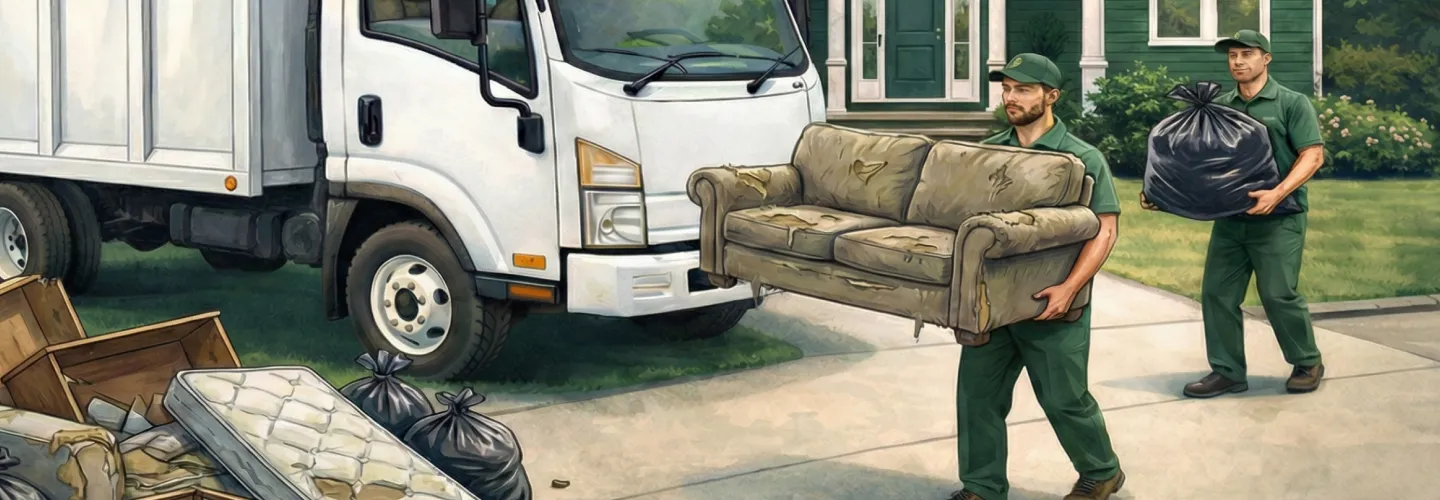
Gainesville Storage Unit Cleanout Services
Choose our Storage Unit Cleanout for fast, reliable, and hassle-free service—so you can enjoy a clutter-free unit without lifting a finger.
Get a Free QuoteOur Gainesville Junk Removal Services
Storage Unit Cleanout in Gainesville, GA – Local Service Guide
Storage unit cleanouts in Gainesville, GA, are often prompted by life transitions such as moving, downsizing, or estate settlements. In neighborhoods like New Holland and Chicopee, residents frequently need to clear out units after home renovations or seasonal changes, especially during spring and fall. Residential items—furniture, mattresses, appliances, and electronics—are commonly replaced or donated, with local charities and recycling centers offering convenient disposal options. Access and weather can impact logistics, particularly in larger complexes or during rainy seasons. For residential spaces like garages and basements, cleanouts often follow storm events or annual yard cycles, with areas near Lake Lanier experiencing higher demand due to flooding risks and dense tree coverage. Commercial clients in Midtown or along Dawsonville Highway, such as offices and restaurants, require discreet, timely service to minimize business disruption, often dealing with higher volumes and strict operational windows. Specialty cleanouts—foreclosure, estate, or hoarding—demand careful planning and coordination, especially when handling sensitive materials or meeting legal requirements. For guidance on local disposal rules and resources, visit the Gainesville Public Works Department.
Key Considerations for Storage Unit Cleanout in Gainesville
- Timing: Plan around seasonal weather and local event schedules
- Permits: Check for any required city permits for large disposals
- Disposal Channels: Use local donation, recycling, or landfill options
- Access: Consider unit location, parking, and elevator availability
- Volume: Estimate load size for efficient removal and cost control
- Coordination: Schedule with property managers or facility staff for smooth access
Benefits of Storage Unit Cleanout in Gainesville
Fast and Efficient Cleanouts
Affordable Pricing Options
Eco-Friendly Disposal Solutions
Experienced Local Team
Flexible Scheduling
Hassle-Free Service Guarantee
Coordinating Storage Unit Cleanout Disposal with Gainesville's Public Works Department
Storage unit cleanouts in Gainesville, GA, often generate large volumes of mixed materials requiring proper disposal coordination through municipal channels. The Gainesville Public Works Department oversees sanitation services and can provide guidance on bulk item disposal options available to residents and commercial operators. Before beginning a cleanout, individuals should determine which items qualify for curbside collection and which require transport to an approved disposal facility. Key considerations include:
- Sorting requirements: Separate recyclable metals, electronics, furniture, and general waste before transport
- Bulk item scheduling: Contact Public Works to confirm pickup eligibility and scheduling procedures for oversized items
- Commercial hauler compliance: Haulers removing storage unit contents commercially must maintain proper licensing and insurance
- Load securement: All materials transported on public roads must be properly covered and secured to prevent debris scatter
Gainesville Public Works Department
300 Henry Ward Way, Gainesville, GA 30501
Phone: (770) 535-6883
Official Website: Gainesville Public Works Department
Residents should also verify whether their storage facility imposes specific cleanout timelines or debris removal requirements that may affect scheduling.
Georgia's Solid Waste Management Act and Storage Unit Disposal Compliance
All waste generated during storage unit cleanouts in Gainesville must be handled in accordance with the Georgia Comprehensive Solid Waste Management Act (O.C.G.A. § 12-8-20) administered by the Georgia Environmental Protection Division. This state law establishes standards for solid waste collection, transportation, and disposal that apply to both residential and commercial waste streams. Storage units frequently contain a mix of regulated and non-regulated materials requiring careful separation. Important state-level requirements include:
- Prohibited landfill items: Lead-acid batteries, used motor oil, and hazardous chemicals must not be placed in standard waste streams
- Tire disposal: Tires discovered in storage units require disposal through licensed tire recyclers; landfill disposal is restricted under Georgia law
- Appliance handling: Refrigerators, air conditioners, and dehumidifiers require EPA Section 608-compliant refrigerant recovery before disposal
- Manifest documentation: Commercial haulers transporting large volumes may need to maintain waste transport records
Georgia Environmental Protection Division
2 Martin Luther King Jr. Drive SE, Suite 1462, Atlanta, GA 30334
Phone: (404) 656-4713
Official Website: Georgia Environmental Protection Division
Handling Hazardous Materials Found During Gainesville Storage Unit Cleanouts
Storage units may contain hazardous materials that were improperly stored, including old paint cans, automotive fluids, pesticides, cleaning solvents, and propane tanks. These items are strictly prohibited from regular municipal waste collection and landfill disposal under both state and federal regulations, including the Resource Conservation and Recovery Act (RCRA). Gainesville residents encountering hazardous materials during a cleanout should follow these protocols:
- Do not mix hazardous items with general debris; isolate them in a separate, well-ventilated area
- Household Hazardous Waste events: Hall County periodically hosts collection events for paints, chemicals, batteries, and electronics — contact Hall County government for upcoming dates
- Lead paint concerns: Items from pre-1978 storage, such as old furniture or building materials, may contain lead paint and require handling under EPA Lead-Safe Renovation guidelines
- Propane tanks and compressed gas: These are explosive hazards and must never be placed in waste containers; return to propane retailers or authorized collection points
- Automotive fluids: Used oil, antifreeze, and brake fluid should be taken to auto parts retailers that accept used fluids
Proper identification and separation of hazardous materials protects workers, the community, and Gainesville's local water resources.
Recycling and Donation Options for Salvageable Items in Gainesville Storage Units
Before disposing of storage unit contents, Gainesville residents should evaluate items for recycling or donation potential to maximize landfill diversion. Many items commonly found in storage units — furniture, clothing, household goods, and electronics — can be redirected through local reuse programs. The Gainesville Community & Economic Development department supports initiatives that promote sustainable waste reduction throughout the city. Recommended steps include:
- Furniture and household goods: Donate usable items to local charitable organizations such as Habitat for Humanity ReStore or Goodwill locations in the Gainesville area
- Electronics and e-waste: Computers, televisions, and peripherals should be taken to certified e-waste recyclers; Georgia does not currently mandate e-waste recycling but voluntary programs are widely available in Hall County
- Scrap metal recovery: Metal shelving, appliance frames, and tools can be taken to local scrap metal facilities for recycling
- Clothing and textiles: Donate wearable clothing to thrift organizations; damaged textiles may be accepted by textile recyclers
- Cardboard and paper: Flatten boxes and bundle paper materials for curbside recycling collection
Prioritizing reuse and recycling reduces disposal costs and supports Gainesville's environmental stewardship goals.
Gainesville Code Enforcement Standards for Storage Unit Property Maintenance
Gainesville Code Enforcement plays a critical role in ensuring that storage unit cleanout activities do not create nuisance conditions or code violations on adjacent properties. Debris left in parking areas, driveways, or public rights-of-way during a cleanout can result in enforcement action. Property owners and tenants should be aware of the following compliance requirements:
- Debris containment: All materials must remain within the storage unit or designated loading area during the cleanout process; items may not be staged on sidewalks or public roadways
- Timely removal: Accumulated waste must be removed promptly; extended staging of debris may trigger property maintenance violations
- Pest prevention: Improperly stored food items, organic materials, or standing water in units can attract rodents and insects, creating health hazards subject to code enforcement review
- Noise restrictions: Cleanout activities involving power tools or heavy equipment should comply with Gainesville's noise ordinance provisions regarding permitted hours of operation
- Illegal dumping: Abandoning storage unit contents in unauthorized locations carries penalties under city ordinance and state law
Gainesville Code Enforcement
300 Henry Ward Way, Gainesville, GA 30501
Phone: (770) 535-6880
Official Website: Gainesville Code Enforcement
What Neighborhoods Do We Serve Throughout Gainesville, GA?
- Downtown Gainesville: The historic commercial core features multi-story buildings and limited street parking. Storage facilities in this area may have narrow access corridors requiring careful load-out planning and coordination with nearby businesses during operating hours.
- New Holland: This established residential neighborhood includes a mix of older single-family homes and small commercial properties. Storage unit cleanouts here may involve items from estate downsizing, and proximity to main corridors provides efficient hauling routes.
- Midland Avenue Area: A diverse corridor with residential and light commercial properties. Access to storage facilities along this stretch is generally straightforward, though traffic congestion during peak hours should be factored into scheduling.
- Limestone Parkway Corridor: This rapidly developing commercial area hosts several self-storage facilities. Wide roadways and modern facility layouts typically allow efficient vehicle access for cleanout operations.
- Bradford Street Historic District: Older properties and historic preservation considerations may affect how materials — particularly architectural salvage or antique items — are handled during cleanouts. Coordination with the Gainesville Planning Division may be advisable for properties within designated historic zones.
- Candler Road and South Gainesville: A mix of suburban residential neighborhoods and commercial storage facilities. Single-story ground-level units are common, providing easier access for heavy item removal and direct vehicle loading.