
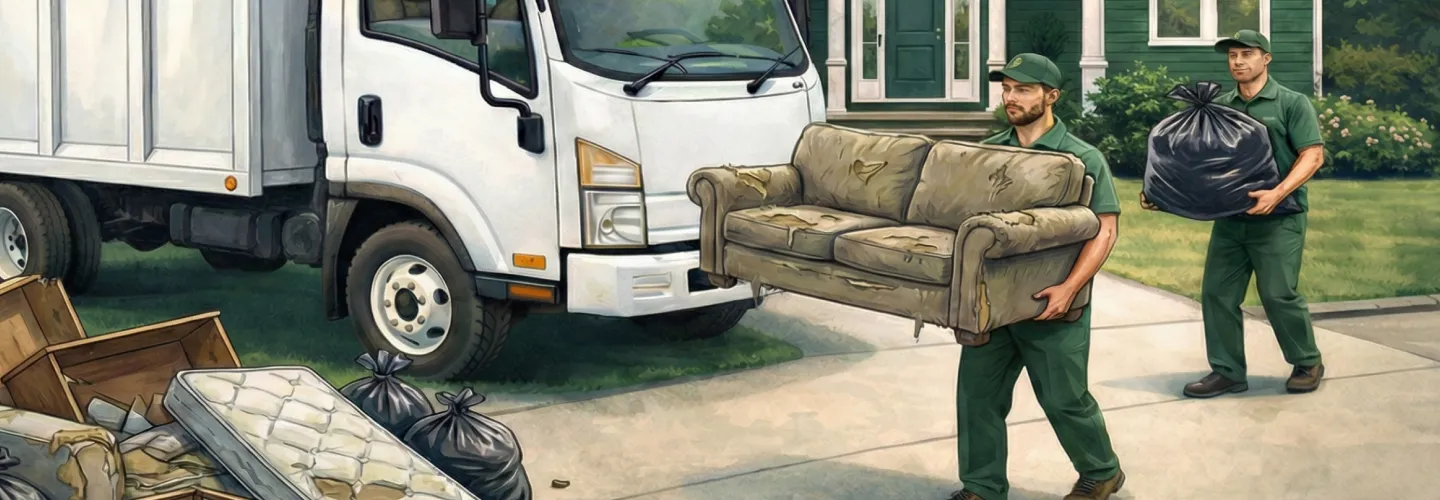
Gainesville Restaurants Junk Removal Services
Choose our Restaurants Junk Removal for prompt, professional service that keeps your kitchen and dining areas spotless, compliant, and ready for business—so you can focus on serving your customers.
Get a Free QuoteOur Gainesville Junk Removal Services
Restaurants Junk Removal in Gainesville, GA – Local Service Guide
Restaurants in Gainesville, GA, from bustling downtown eateries to lakeside cafes near Lake Lanier and the Midtown Greenway, face unique junk removal needs. Seasonal menu changes, renovations, and health code compliance often trigger the need to clear out old kitchen equipment, furniture, and bulk waste. Local restaurants must coordinate pickups around busy service hours and ensure minimal disruption to operations. In neighborhoods like New Holland and Riverside, access and parking can impact removal logistics, especially for larger items or high-volume disposals. Gainesville’s commercial districts often require discreet, after-hours service and adherence to city regulations for proper disposal, recycling, or donation of reusable items. Working with a local junk removal expert ensures compliance with city ordinances and efficient handling of restaurant-specific waste streams.
Key Considerations for Restaurants Junk Removal in Gainesville
- Timing pickups to avoid peak dining hours and minimize business disruption
- Securing necessary permits and following local disposal guidelines
- Choosing appropriate disposal channels for kitchen equipment, furniture, and recyclables
- Navigating access challenges in busy areas like downtown or historic districts
- Managing high-volume or bulky waste from renovations or seasonal cleanouts
- Coordinating with property managers for shared commercial spaces
Benefits of Restaurants Junk Removal in Gainesville
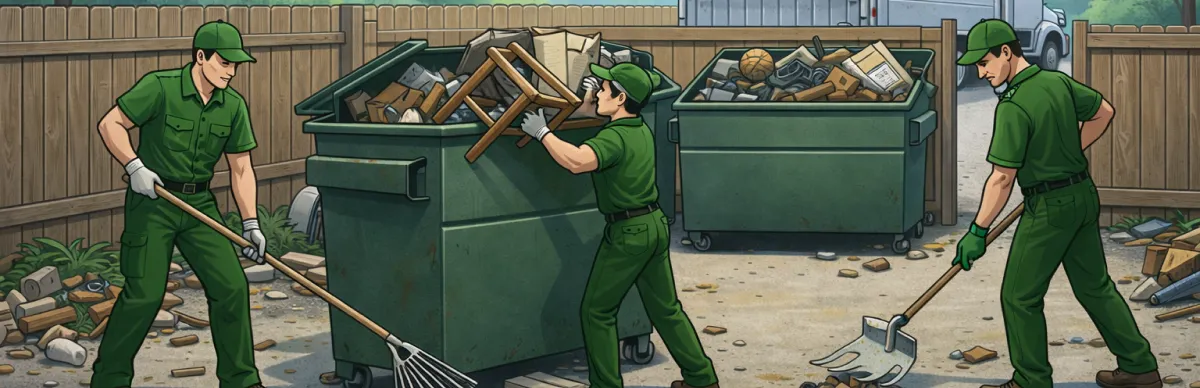
Fast and Reliable Service
Eco-Friendly Disposal Solutions
Flexible Scheduling Options
Licensed and Insured Team
Competitive Pricing
Comprehensive Junk Removal
Coordinating Restaurant Junk Removal with Gainesville’s Public Works and Solid Waste Programs
Proper restaurant junk removal in Gainesville, GA requires close coordination with the city’s Department of Public Works, which oversees commercial waste management and bulk item collection. Restaurants must adhere to the city’s commercial waste disposal schedule and ensure that all items are sorted and prepared for pickup according to municipal guidelines. Key requirements include:
- Scheduling bulk item pickups in advance through the city’s solid waste division
- Separating recyclable materials from general waste before collection
- Ensuring items are placed curbside by 6:00 AM on the designated pickup day
- Complying with volume limits (typically 2 cubic yards per collection)
- Paying applicable disposal fees based on item type and volume
Failure to follow these procedures may result in code violations or additional fees. For large-scale cleanouts, restaurants may need to utilize the city’s transfer station, which requires a valid business license and payment of per-ton disposal fees. Always consult the city’s official guidelines for the most current requirements.
Gainesville Public Works Department
300 Henry Ward Way SE, Gainesville, GA 30501
Phone: (770) 535-6883
Official Website: Gainesville Public Works Department
Gainesville’s Environmental Compliance Standards for Restaurant Waste Disposal
Restaurants in Gainesville must comply with both local and state environmental regulations governing the disposal of commercial waste. The Georgia Environmental Protection Division (GA EPD) enforces solid waste management laws that prohibit the disposal of certain materials in landfills, including hazardous substances and specific recyclables. Key compliance points for restaurants include:
- Prohibiting landfill disposal of hazardous waste (e.g., chemicals, oils, batteries)
- Participating in mandatory recycling programs for cardboard, glass, and select plastics
- Ensuring proper handling and disposal of grease and cooking oil through licensed haulers
- Maintaining records of waste disposal and recycling activities for inspection
- Avoiding illegal dumping, which can result in fines and enforcement actions
Restaurants should regularly review updates to state and local waste regulations to remain compliant. For more information, consult the Georgia Environmental Protection Division and the city’s solid waste management resources.
Georgia Environmental Protection Division
2 Martin Luther King Jr. Dr. SE, Suite 1456, Atlanta, GA 30334
Phone: (404) 657-5947
Official Website: Georgia Environmental Protection Division
Navigating Gainesville’s Code Enforcement and Permit Requirements for Restaurant Cleanouts
Restaurant junk removal projects in Gainesville may require coordination with the city’s Code Enforcement Division, especially when disposing of large quantities of debris or conducting renovations. Restaurants must:
- Obtain necessary permits for renovation or demolition debris removal
- Ensure right-of-way access for removal vehicles, especially in downtown or historic districts
- Adhere to noise ordinances and operating hour restrictions for removal activities
- Schedule inspections if disposing of regulated materials (e.g., appliances, fixtures)
- Comply with all city codes regarding waste storage and curbside placement
Non-compliance can result in citations or delays in project completion. It is advisable to contact the Code Enforcement Division early in the planning process to verify all requirements and avoid potential violations.
Gainesville Code Enforcement
311 Henry Ward Way SE, Gainesville, GA 30501
Phone: (770) 531-6570
Official Website: Gainesville Code Enforcement
Recycling and Material Recovery Mandates for Gainesville Restaurants
Gainesville enforces recycling mandates that require restaurants to divert recyclable materials from landfill disposal. The city’s recycling program accepts a range of materials commonly generated by restaurants, including:
- Cardboard boxes and paper packaging (must be flattened and clean)
- Glass bottles and jars (rinsed, no lids)
- Aluminum cans and metal food containers
- Select plastics (check city guidelines for accepted types)
- Used cooking oil (must be collected by licensed recyclers)
Restaurants are encouraged to participate in local donation programs for reusable equipment and furniture. Failure to separate recyclables from general waste may result in contamination fees or loss of collection privileges. For detailed recycling guidelines, visit the city’s solid waste management page or contact the Department of Public Works.
What Neighborhoods Do We Serve Throughout Gainesville, GA?
- Downtown Gainesville: Features a mix of historic buildings and modern restaurants. Narrow streets and limited parking require advance scheduling for junk removal trucks and may necessitate right-of-way permits for large-scale cleanouts.
- Midtown: Home to many small eateries and cafes in multi-story buildings. Service elevator access and coordination with property managers are often required for efficient removal of bulky items.
- Riverside: Predominantly residential with some commercial dining establishments. Driveway access is common, but curbside placement rules must be followed for all waste and recyclables.
- New Holland: Contains several newer restaurants in shopping centers. Ample parking and wide access lanes facilitate removal, but businesses must comply with shopping center waste management policies.
- Mundy Mill: Rapidly growing area with chain restaurants and fast-food outlets. High turnover of equipment and fixtures requires frequent coordination with city waste programs and adherence to recycling mandates.
- Chicopee: Industrial and commercial zone with larger restaurant operations. Loading dock access is typical, but strict adherence to hazardous waste and recycling regulations is required.
- Lake District: Scenic area with lakeside dining venues. Environmental sensitivity and proximity to water resources necessitate careful handling of waste and strict compliance with pollution prevention standards.